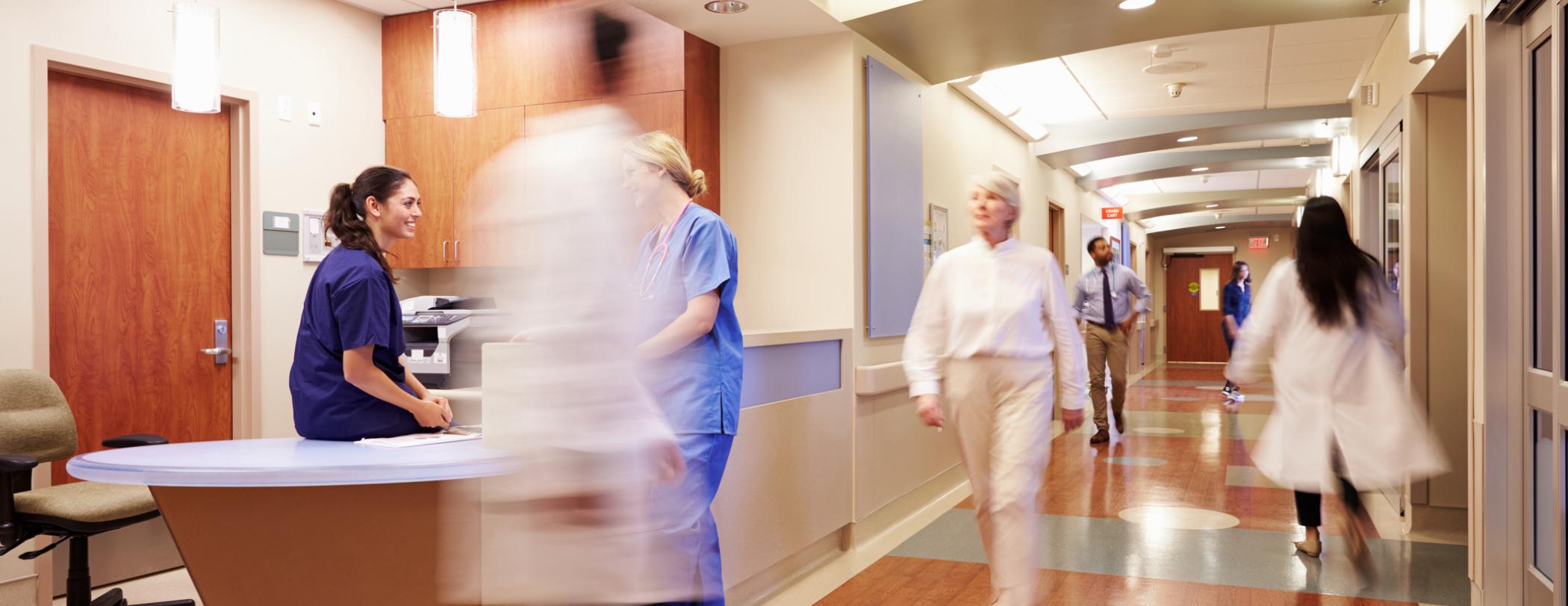
Clear your path to advanced and executive roles in today’s evidence-based practice environment through a post-bachelor's DNP program from one of the top nursing schools in America.

At a Glance

  • Speed-to-Completion: Can be completed in as few as 8 semesters.

  • Gain Extensive Hands-on Experience: With 1,060 to 1,410 clinical hours, tailored to your chosen nursing specialty.

  • Board Certification Eligible: Upon completion, you'll be prepared to sit for board certification exams.

  • Mostly Online: Only 2-3 mandatory in-person on-campus experiences, depending on the track.

Program Details

Advance your career with the DNP Advanced Practice Program at the Conway School of Nursing. This rigorous program prepares expert clinicians to lead change at the systems level. Students benefit from individualized clinical placements at top healthcare organizations nationwide, while learning from practicing nurse practitioner faculty. The program combines flexible online coursework with immersive onsite simulation experiences using cutting-edge technology.
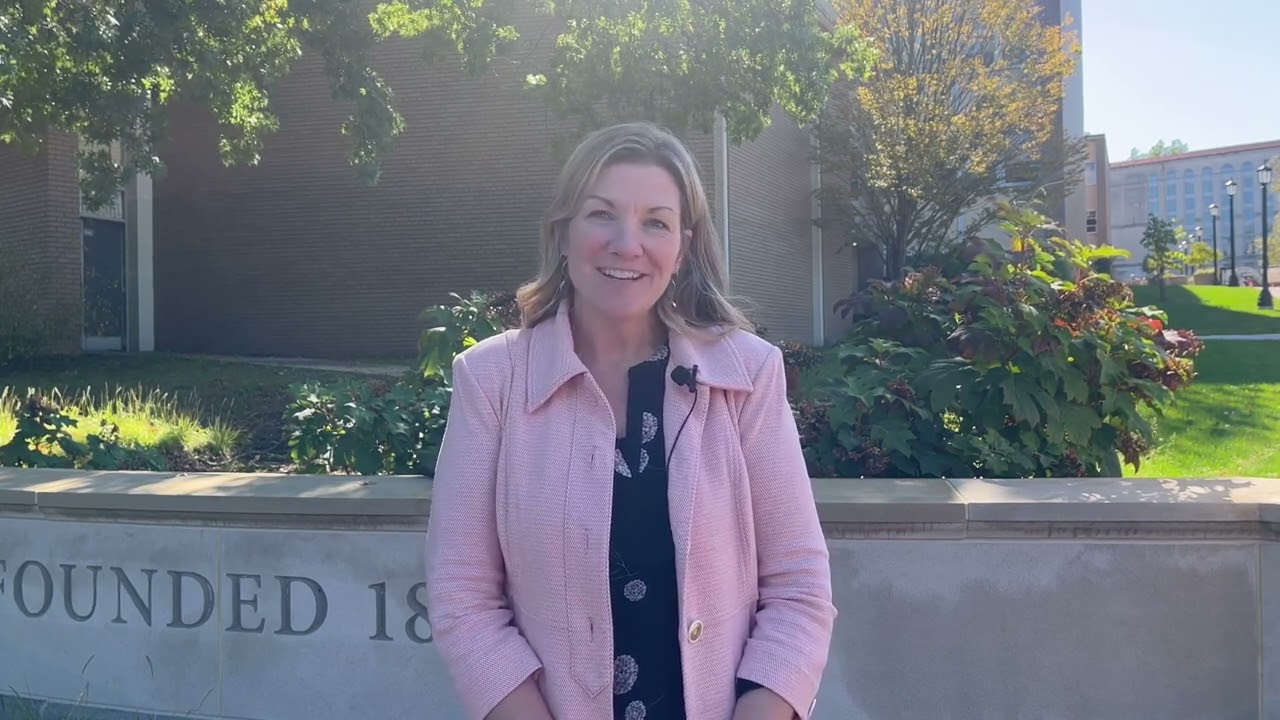

Thumbnail for video The Conway School Welcomes Dr. Cari Selzer, Program Coordinator for Adult-Gerontology Acute Care

The program combines flexible online coursework with immersive onsite simulation experiences using cutting-edge technology. We currently offer four specialties in our advanced practice pathways: Adult Gerontology Acute Care Nurse Practitioner, Family Nurse Practitioner, Pediatric Nurse Practitioner: Primary Care, and Pediatric Nurse Practitioner: Dual Acute and Primary Care.

The Adult Gerontology Acute Care Nurse Practitioner Pathway prepares nurses to lead and participate in interdisciplinary teams in delivering care to complex adult and elderly patients across settings including critical care, intermediate care and general inpatient care.

The Family Nurse Practitioner Pathway prepares nurses as leaders in practice to manage the health of individuals and families. Graduates are prepared to manage patients with acute and chronic illness in the primary care setting. They promote health and wellness using the latest evidence-based healthcare across the lifespan.

The Pediatric Nurse Practitioner: Primary Care Pathway prepares nurses to diagnose and manage acute and chronic illness in primary care settings and outpatient specialty clinics for children from birth to age 21.

The Pediatric Nurse Practitioner: Dual Acute and Primary Care Pathway prepares graduates to manage acute and complex illness and injuries in children as well as chronic illness and health promotion across all healthcare settings.

Admission Requirements


  • Earned a baccalaureate degree in nursing with a minimum cumulative GPA of 3.2 from  programs accredited by the NLN Commission for Nursing Education Accreditation (CNEA) or Accreditation Commission for Education in Nursing (ACEN) or the Commission on Collegiate Nursing Education (CCNE).
  • Submission of a Statement of Purpose for seeking a DNP degree from The Catholic University of America.
  • Curriculum vitae or resume.
  • Copy of unencumbered RN license.
  • Two letters of reference (one from a former dean or academic adviser and one from current or former employer).
  • Meets the Conway School of Nursing's Health-Related Behavioral Standards for clinical programs.
  • All students admitted to the program are required to submit a Graduate Health Form indicating they are able to participate in clinical practice.
Program Outcomes


1. Knowledge for Nursing Practice

Develop, lead, and disseminate transformational interventions demonstrating expert critical thinking and clinical reasoning, including knowledge from nursing, other disciplines, theology, philosophy, and the other liberal arts and natural and social sciences to make judgments and create innovations in advanced nursing practice/specialty level for the common good.

2. Person-Centered Care

Design, create, implement, and evaluate models of care that support, holistic, individualized, just, compassionate, coordinated, evidence-based, developmentally appropriate, and inclusive care that is respectful of the dignity of the human person, promotes human flourishing and is consistent with the teachings of the Catholic Church.

3. Population Health

Develop evidence-based and collaborative strategies that promote health, prevent disease, and manage risks, considering social determinants of health, advocating for the improvement of equitable health outcomes, across the continuum of care and levels of prevention through both traditional and non-traditional partnerships from diverse communities, public health, industry, academia, health care, local government entities, and others.

4. Scholarship for the Nursing Discipline

Generate, synthesize, translate, apply, and disseminate nursing knowledge to improve health and transform health care.

5. Quality and Safety

Addresses clinical quality issues using innovation principles and processes, improvement science and evidence to assure accountability for a culture of patient, provider, and work environment safety through both system effectiveness and individual performance.

6. Interprofessional Partnerships

Leads, implements, and evaluates interprofessional teamwork and collaboration with colleagues, patients, families, and communities that value engagement with the city, nation, Church and world through participatory decision-making related to healthcare needs to innovate, optimize, and improve health outcomes within advanced nursing specialty practice.

7. Systems-Based Practice

Design and evaluate innovative strategies for coordinated cost-effective, proactive, and efficient care within complex healthcare systems based on Catholic values to provide safe, quality, and equitable care to diverse populations.

8. Informatics and Healthcare Technologies

Enhances and advances   information and communication technologies and informatics processes to provide care respecting the dignity of the human person and to guide clinical decision making to improve outcomes in the delivery of safe, high-quality and efficient healthcare services that align with best practices and professional and regulatory requirements.

9. Professionalism

Cultivate professional development in others grounded in Catholic social teaching, inclusive of honesty, integrity, accountability, a collaborative disposition, and ethical behavior reflective of the Catholic identity and nursing’s unique characteristics and values.

10. Personal, Professional, and Leadership Development

Influence  change guided by leadership principles and theories, demonstrating a commitment to lifelong personal resilience and whole person well-being, intellectual curiosity, and professional growth and development. 

Curriculum

Adult Gerontology Acute Care Nurse Practitioner

Plans of Study (69-71 credits required to graduate)

Family Nurse Practitioner

Plans of Study (69-71 credits required to graduate)

Pediatric Nurse Practitioner: Primary Care

Plans of Study (69-71 credits required to graduate)

Pediatric Nurse Practitioner: Dual Acute and Primary Care

Plans of Study (69-71 credits required to graduate)

Additional Info

Essential details to support your success and to help you plan and progress with confidence.

female researcher in a lab looking at brain scans on a monitor

Scholarly Project

An integral requirement of the Catholic University Conway School of Nursing Doctor of Nursing Practice (DNP) degree.


student and peer advising one another at a table

Registration Procedures

Important information for advising and course selection.

nursing residents smilling and clapping

Practicum

Your experiences are tailored to your professional goals.

table of nurses and doctors hands

Clinical Requirements and Procedures

Guidelines and preparation for graduate students.

Contact & Apply

Admission

Are you ready for your own journey here at Catholic University? Let’s get started.

Request Info | Apply

Visit the Conway School

Schedule a visit tailored for where you are in your academic process. We are excited to host you on campus soon! 

Visit Us

Get in Touch

Contact our Graduate Admission office at [email protected] or 202-319-5057, if you have additional questions and need more information about the program.

Request Information

Loading...