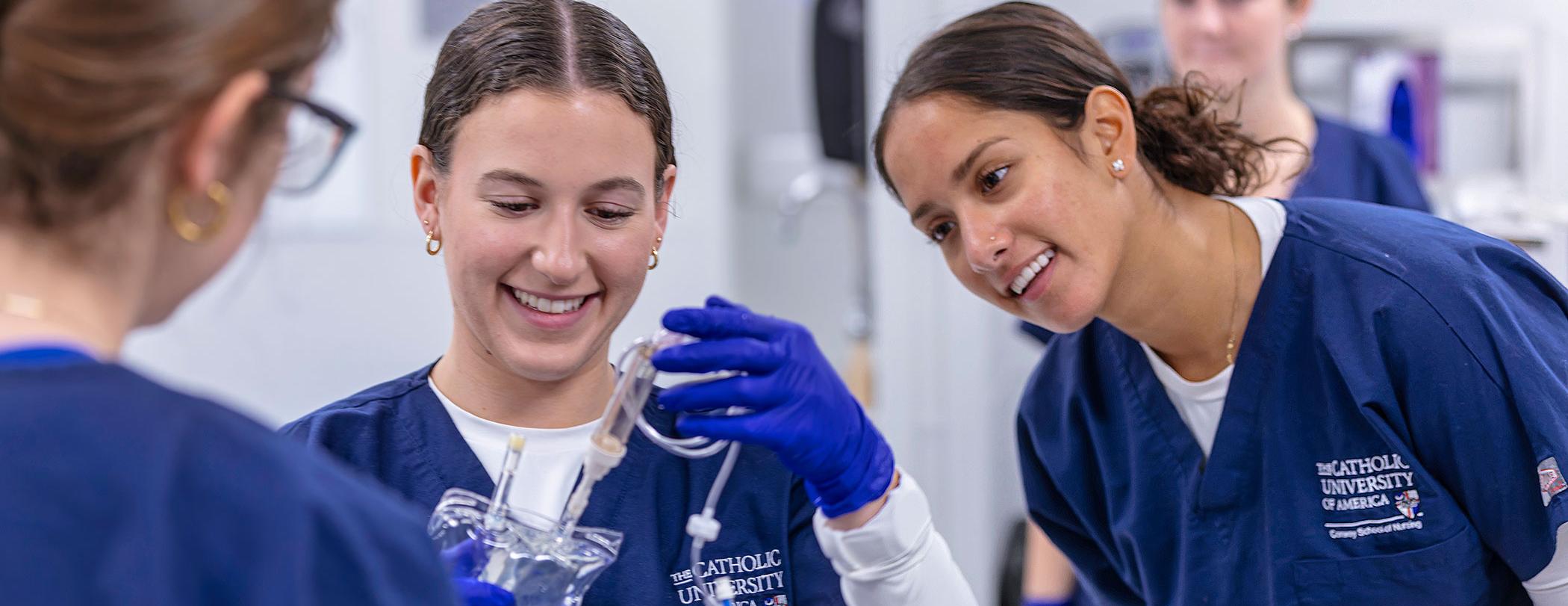
As a nursing major, you will join a rigorous academic program that promotes relationship building and serving the underserved. You will get hands-on experience in providing care through clinical rotations. And you will develop the skills and knowledge you need to excel in the nursing profession, as well as the values to do so with compassion.

At a Glance

  • Top Ranked: Ranked #28 by U.S. News and World Report, placing our BSN in the top 4% of programs in the nation.

  • NCLEX Success Rate: Our students have a 96% pass rate on the National Council Licensure Examination (NCLEX), vs. the 83% national pass rate.

  • Clinical Preparation: 650+ clinical and simulation hours, exceeding D.C. Board of Nursing requirements.

  • Hospital Partnerships: 20+ clinical partners in the Washington, D.C. area, providing diverse, hands-on experience in healthcare settings.

  • Job Placement: 100% of our graduates have job placement within 6 months of graduation.

Program Details
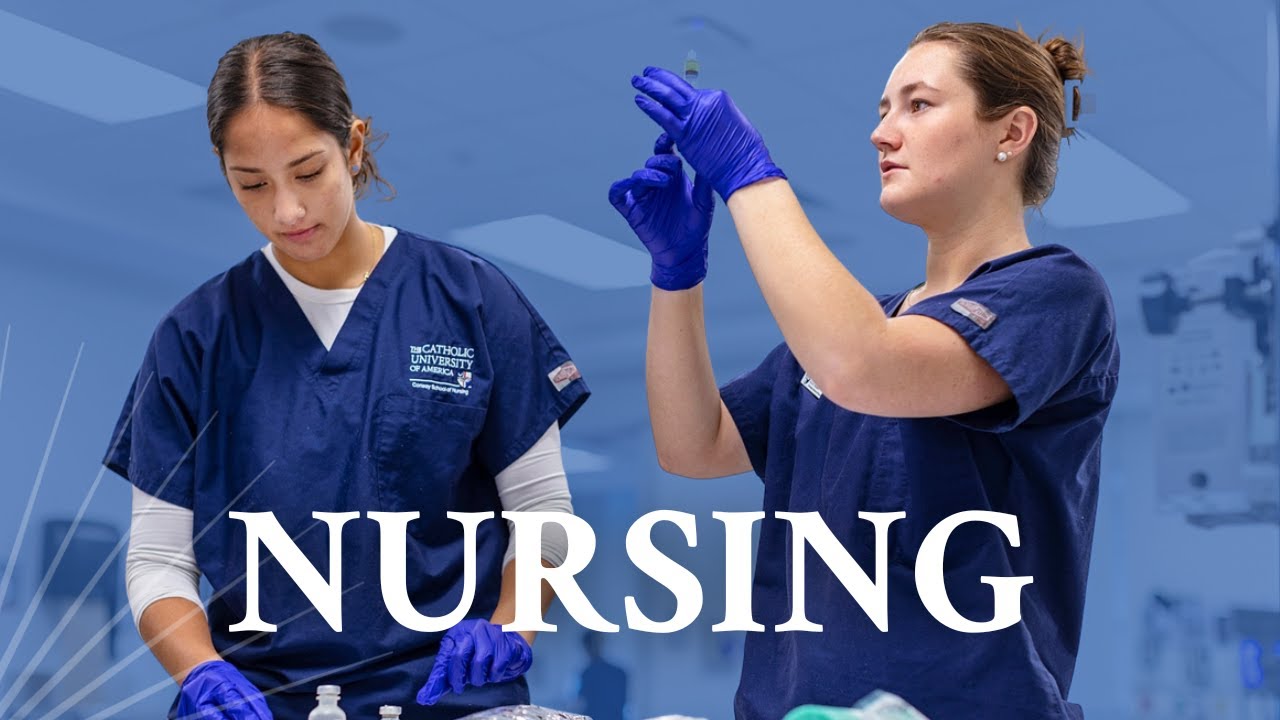
At the Conway School of Nursing, students in the freshman year acquire foundational knowledge, skills, and attitudes for professional nursing practice. Each year builds on the previous year to develop graduates who are prepared to provide care that is respectful of the dignity of the human person and promotes human flourishing in health and illness.

Thumbnail for video Nursing: Where High-Tech Meets High-Touch

Program Outcomes

Graduates of the baccalaureate program in nursing are expected to achieve the following outcomes upon completion:

1. Knowledge for Nursing Practice

Demonstrate a systematic approach (integration, translation and application) to critical thinking and clinical reasoning, inclusive of knowledge from nursing, other disciplines, theology, philosophy, and the other liberal arts and natural and social sciences to make judgments and create innovations in nursing practice for the common good.

2. Person-Centered Care

Provides holistic, individualized, just, compassionate, coordinated, evidence-based, developmentally appropriate, and inclusive care that is respectful of the dignity of the human person, promotes human flourishing and is consistent with the teachings of the Catholic Church.

3. Population Health

Engage in collaborative activities and evidence-based practice to promote health, prevent disease, and manage risks, considering social determinants of health, across the continuum of care and levels of prevention with both traditional and non-traditional partnerships from diverse communities, public health, industry, academia, health care, local government entities, and others.

4. Scholarship for the Nursing Discipline

Synthesize, interpret, and apply nursing knowledge to improve health and transform health care.

5. Quality and Safety

Use principles of safety, including improvement science to provide quality care that minimizes the risk of harm to patients and providers through both system effectiveness and individual performance.

6. Interprofessional Partnerships

Demonstrates interprofessional teamwork and intentional collaboration with colleagues, patients, families, and communities that value engagement with the city, nation, Church and world through participatory decision-making related to healthcare needs to optimize, enhance and improve health outcomes.

7. Systems-Based Practice

Incorporate strategies of coordinated cost-effective, proactive, and efficient care within complex healthcare systems based on Catholic values to provide safe, quality, and equitable care to diverse populations.

8. Informatics and Healthcare Technologies

Use information and communication technologies to gather data, drive decision making, and provide care respecting the dignity of the human person that aligns with best practice and professional and regulatory standards.

9. Professionalism

Demonstrates the formation of a sustainable professional identity grounded in Catholic social teaching, inclusive of honesty, integrity, accountability, a collaborative disposition, and ethical behavior reflective of the Catholic identity and nursing’s unique characteristics and values.

10. Personal, Professional, and Leadership Development

Engage in activities that demonstrate a commitment to lifelong whole personal well-being, intellectual curiosity, professional growth and development, resilience, and healthcare leadership.

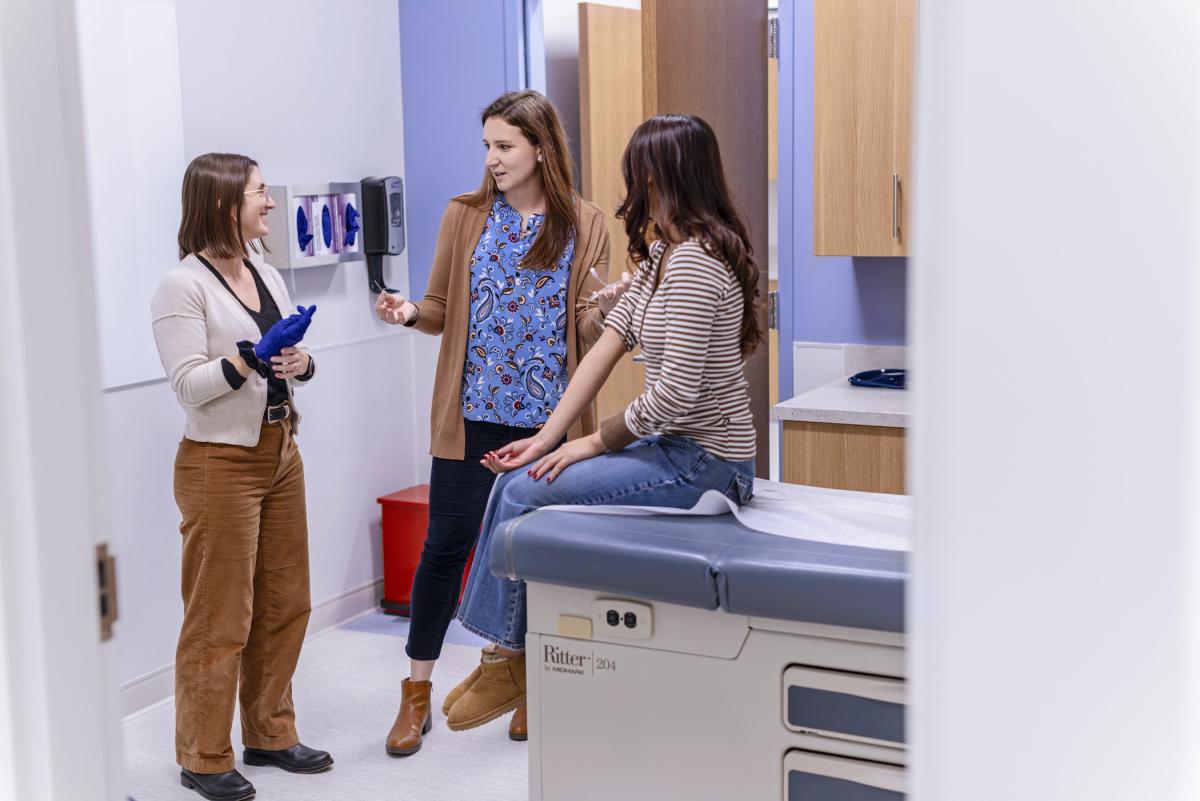
students conducting a doctor visit simulation

The Right Environment for Learning

Our facilities and professors help you hone the knowledge and skills to care for patients by simulating clinical scenarios in a lifelike setting. See how we closely match the spaces of hospitals and acute care facilities to help you learn.
Hear from Our Students

Our students share why they love our nursing program.

Making Her Mark at Catholic

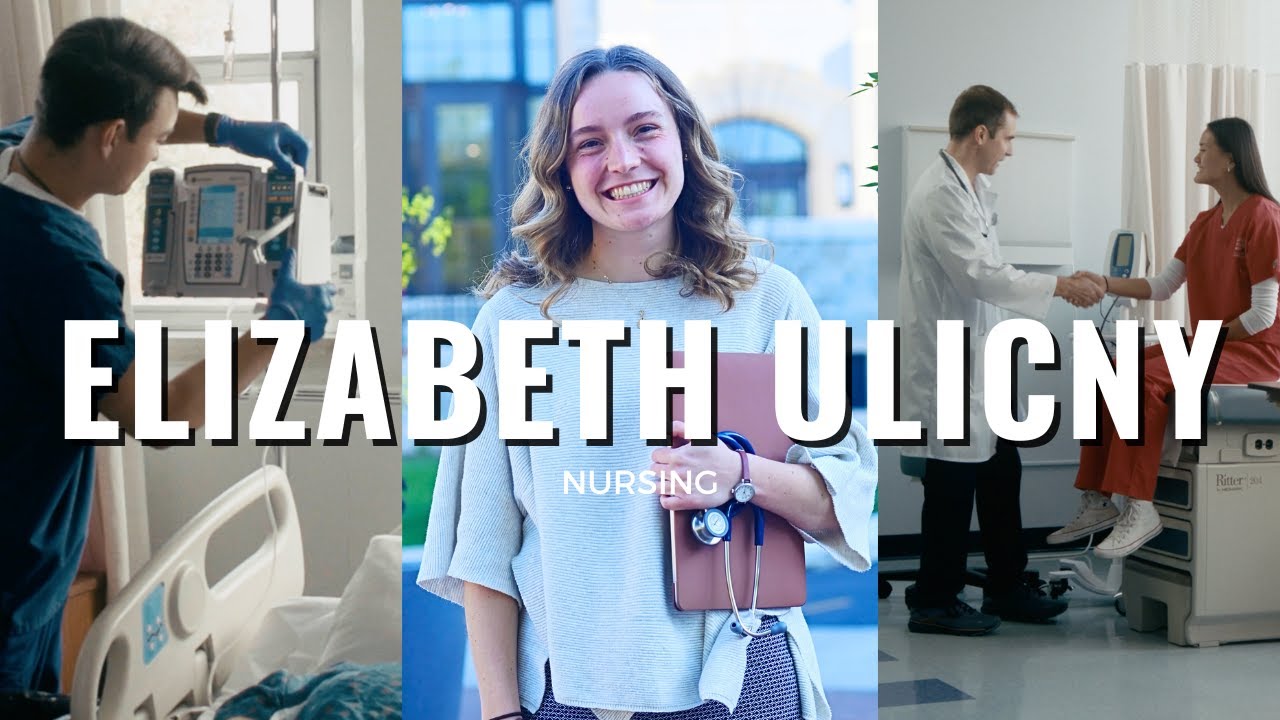
Elizabeth Ulicny chose Catholic University for its respected nursing program, strong community, and the diverse opportunities to study and serve around the world.

Thumbnail for video How This Nursing Student Made Her Mark at Catholic University

The Perfect Route to Serve Others

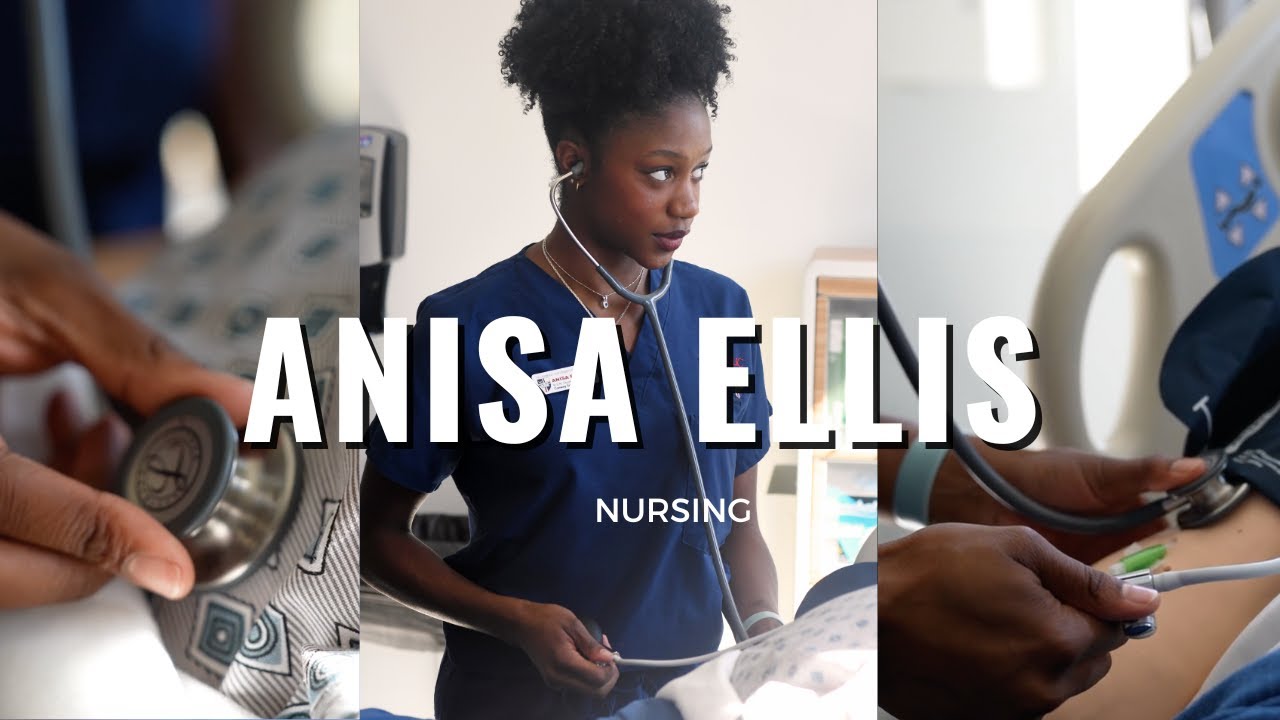
Anisa Ellis fell in love with the welcoming spirit of everyone on campus and wants to join a professional field where she can serve others.

Thumbnail for video From Student Leader to Future Nurse: Anisa’s Catholic University Story

Curriculum

Beginning with a strong foundation in the sciences and liberal arts, the program gradually integrates nursing theory, clinical skills, and evidence-based practice. Over the course of four years, students progress from foundational knowledge to advanced clinical applications, developing competence in areas such as health assessment, pharmacology, community and population health, mental health, pediatrics, women’s health, leadership, and professional practice.


4-Year Program Plan (Class of 2026 - 2028)
Minimum Credits for Graduation: 123 credits

The following outlines the recommended course sequence for the BSN program:

Year 1
FallCreditsSpringCredits
PHIL 201: The Classical Mind3PHIL 202: The Modern Mind3
ENG 101*: Rhetoric English Composition3TRS 201*: Faith Seeking Understanding3
BIOL 232: Anatomy & Physiology I4BIOL 233: Anatomy & Physiology II4
NURS 151: Introduction to Health Systems and Professions3BIOL 223**: Microbiology3
PSY 201**: General Psychology3MATH 114**: Statistics3

Notes

* = Can be taken Fall or Spring*

** = Can be taken Fall or Spring (first two years)*

Optional Minors/Certificates: Psychology; Spanish for Healthcare

Year 2
FallCreditsSpringCredits
CHEM 109/119**: Organic & Biochemistry for Allied Health4NURS 254A*: Health & Wellness Across the Lifespan3
Art/Lit Requirement*: Explorations in Literature and Fine Arts3NURS 257*: Nutrition3
PSY 379**: Growth & Development3NURS 371: Pathophysiology3
TRS 202*: The Church and the Human Person3Elective 2**: Elective or Minor/Certificate course3
Elective 1**: Elective or Minor/Certificate course3Elective 3**: Elective or Minor/Certificate course3
NURS 152: Entrance HESI Exam   

 Notes

* = Can be taken Fall or Spring*

** = Can be taken Fall or Spring (first two years)*

Optional Minors/Certificates: Psychology; Spanish for Healthcare

Year 3
FallCreditsSpringCredits
NURS 258: Health Assessment (Lecture & Lab)4TRS 333 or PHIL 303: Biomedical Ethics3
NURS 309: Fundamentals (Lecture & Lab)4NURS 275L: Adults in Health and Illness I Lecture3
NURS 310: Pharmacology3NURS 275C: Adults in Health and Illness I Clinical2
NURS 370*: Community & Population Health Lecture3NURS 375*: Mental Health Lecture3
NURS 372*: Community & Population Health Clinical2NURS 377*: Mental Health Clinical2

Notes

* = Can be taken Fall or Spring*

** = Can be taken Fall or Spring (first two years)*

Optional Minors/Certificates: Psychology; Spanish for Healthcare

Year 4
FallCreditsSpringCredits
NURS 420*: Pediatrics Lecture3NURS 423*: Women’s Health Lecture3
NURS 421*: Pediatrics Clinical2NURS 428*: Women’s Health Clinical2
NURS 376L: Adults in Health and Illness II Lecture3NURS 430L: Adults in Health and Illness III Lecture3
NURS 376C: Adults in Health and Illness II Clinical2NURS 430C: Adults in Health and Illness III Clinical2
NURS 427: Transitions to Professional Practice2NURS 480: Strategies for Professional Practice2
NURS 403: Nursing Research3NURS 378: Nursing Informatics2
NURS 424: Nursing Leadership & Management2
NURS 481 A/B/C: Nursing Practicum (Optional)2

Notes

* = Can be taken Fall or Spring*

** = Can be taken Fall or Spring (first two years)*

Optional Minors/Certificates: Psychology; Spanish for Healthcare

Progression Requirements

Criteria

To advance from year to year, students must:

  • Complete University requirements, science courses, and electives for progression.
  • Maintain a minimum science GPA of 2.75 and an overall GPA of 3.0 or higher.
  • Note: Only one science course may be repeated.

HESI Nursing Progression Exam

Must be completed at the end of the freshman year.

Minimum requirements:

  • 75% overall composite score
  • 75% or higher in science, English, and math composites

Students who do not achieve the required scores will receive remediation and tutoring support and may retake the exam once.

Students are required to complete three religion courses as part of the BSN curriculum:

  • TRS 201: Foundations of Theology I – Scripture and Jesus Christ (taken as a learning community course).
  • TRS 202A or TRS 202B: The Church and the Human Person.
  • TRS 333 or PHIL 303: Biomedical Ethics.

Please note: The Biomedical Ethics course must be completed at The Catholic University of America and cannot be transferred from another institution.


4-Year Program Plan (Class 2029 and beyond)

Year 1
FallCreditsSpringCredits
PHIL 201: The Classical Mind (LC)*3PHIL 202: The Modern Mind**3
TRS 201: Foundations of Theology I (LC)*3NURS 257: Nutrition & Health3
BIOL 232: Anatomy & Physiology I4BIOL 233: Anatomy & Physiology II4
NURS 151: Introduction to Health Systems and Professions3BIOL 223: Microbiology OR CHEM 109/119**3
PSY 201: General Psychology*3ENG 101: Writing & Rhetoric (LC)*3
NURS 152: Entrance HESI Exam (Summer, 2nd Attempt)0

Notes

* = Can be taken Fall or Spring*

** = Can be taken Fall or Spring (first two years)*

Optional Minors/Certificates: Psychology; Spanish for Healthcare

Year 2
FallCreditsSpringCredits
PSY 379: Growth & Development**3NURS 254A: Health & Wellness Across the Lifespan*3
CHEM 109/119: Organic & Biochemistry for Allied Health OR BIOL 223**4NURS 258: Health Assessment (Lecture & Lab)4
Free Elective 1**3NURS 309: Fundamentals (Lecture & Lab)4
TRS 202: The Church & the Human Person**3NURS 310: Pharmacology3
NURS 371: Pathophysiology3NURS 3XX: Medication Math1

Notes

* = Can be taken Fall or Spring*

** = Can be taken Fall or Spring (first two years)*

Optional Minors/Certificates: Psychology; Spanish for Healthcare

Year 3
FallCreditsSpringCredits
Fine Art & Literature Elective (Required)*3TRS 333 or PHIL 303: Biomedical Ethics*3
NURS 275L: Adults in Health & Illness I Lecture3NURS 376L: Adults in Health & Illness II Lecture3
NURS 275C: Adults in Health & Illness I Clinical2NURS 376C: Adults in Health & Illness II Clinical2
MATH 114: Probability & Statistics3NURS 403: Nursing Research3
NURS 423: Women’s Health Lecture*3NURS 375: Mental Health Lecture*3
NURS 428: Women’s Health Clinical*2NURS 377: Mental Health Clinical*2

Notes

* = Can be taken Fall or Spring*

** = Can be taken Fall or Spring (first two years)*

Optional Minors/Certificates: Psychology; Spanish for Healthcare

Year 4
FallCreditsSpringCredits
NURS 370: Community & Population Health Lecture*3NURS 420: Pediatrics Lecture*3
NURS 372: Community & Population Health Clinical*2NURS 421: Pediatrics Clinical*2
NURS 378: Nursing Informatics2NURS 430L: Adults in Health & Illness III Lecture3
NURS 424: Nursing Leadership & Management2NURS 430C: Adults in Health & Illness III Clinical2
Free Elective 23NURS 4XX: Transitions & Strategies for Professional Practice3
Free Elective 33NURS 481 A/B/C: Nursing Practicum (Optional)2
Total Credits15Total Credits13

Notes

* = Can be taken Fall or Spring*

** = Can be taken Fall or Spring (first two years)*

Optional Minors/Certificates: Psychology; Spanish for Healthcare

Electives

Undergraduate nursing students in the 4-year BSN program are required to complete 12 elective credits. These electives align with the requirements of the School of Arts and Sciences; students should consult school announcements for specific degree guidelines.

Computer Specifications

Undergraduate nursing students must have laptops for the duration of their program.  We offer hardware and software information to help navigate the purchasing process.

Additional Info

A cityscape view of Arlington, VA in the DC area.

Clinical Opportunities at Healthcare Facilities

Our program includes real clinical experience at top healthcare facilities in the D.C. area, helping prepare experienced and career ready nurses.
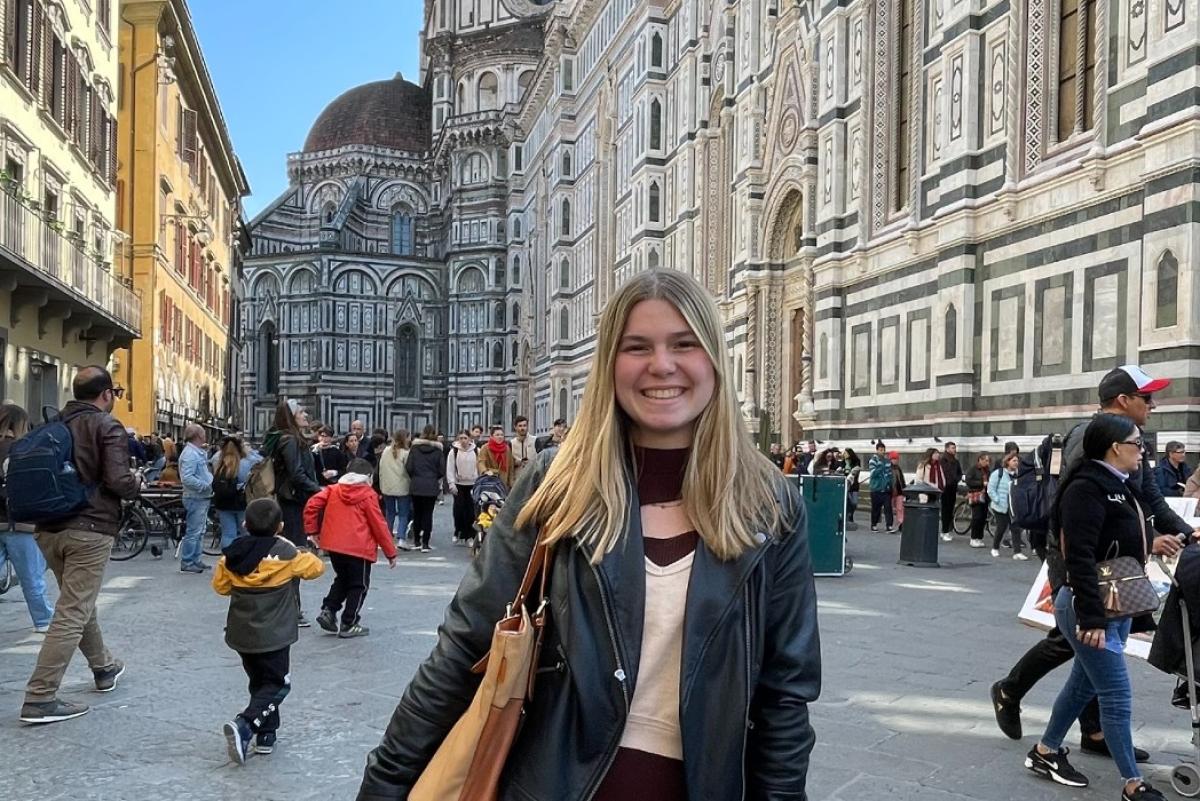
Student studying abroad in Italy.

Study Abroad

Catholic University offers nursing-specific study abroad options in Australia, Costa Rica, Italy, Ireland, and Peru.
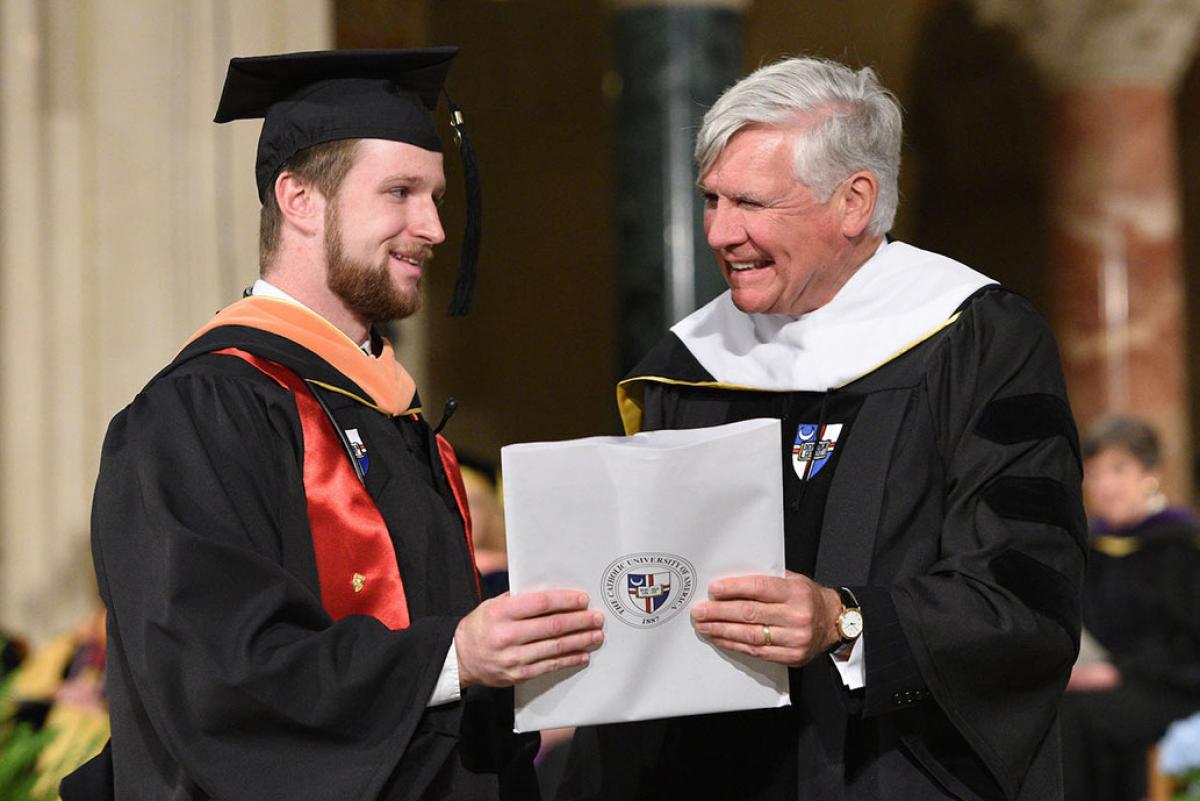
Bill Conway handing a diploma to a student at graduation

Conway Scholarship

The Conway Scholarship provides exceptional students with generous financial support to pursue their calling in healthcare.
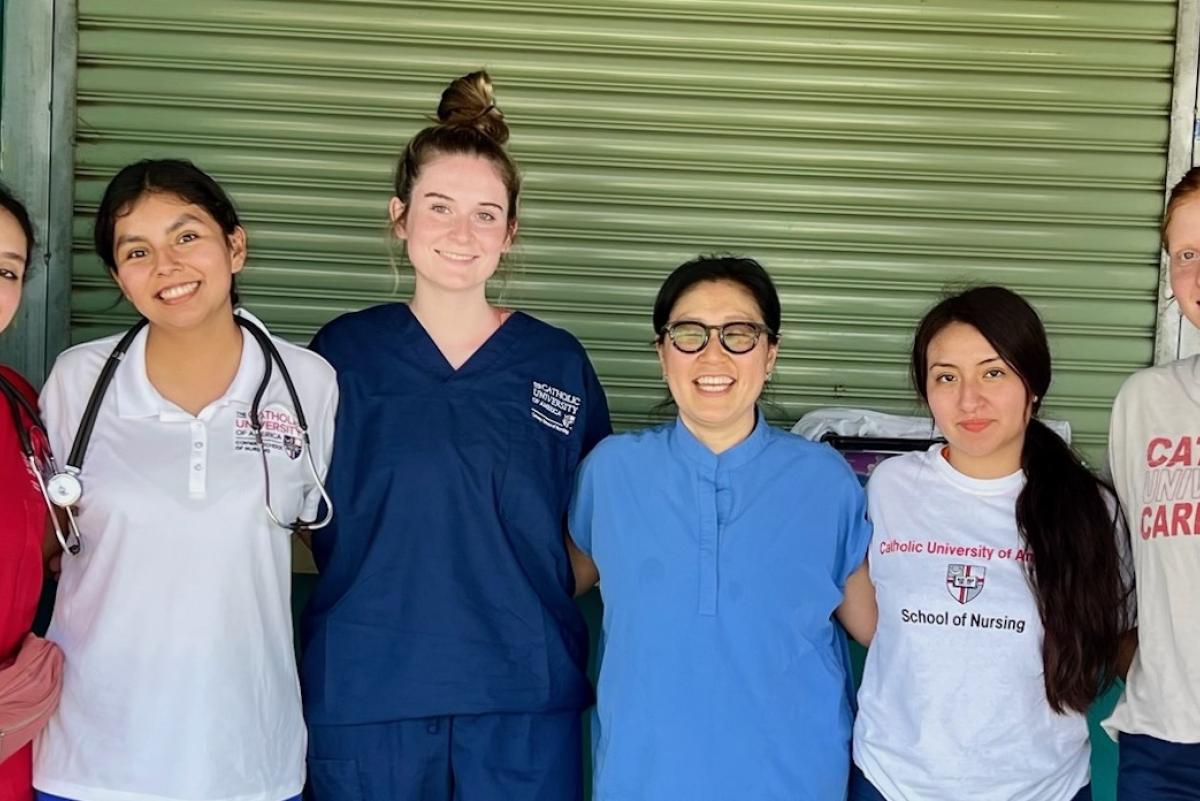
nursing students in a latin american country

Spanish for Healthcare Certificate

Learn to communicate with Spanish-speaking patients but also understand cultural and linguistic factors that play a critical role in providing care across the world.
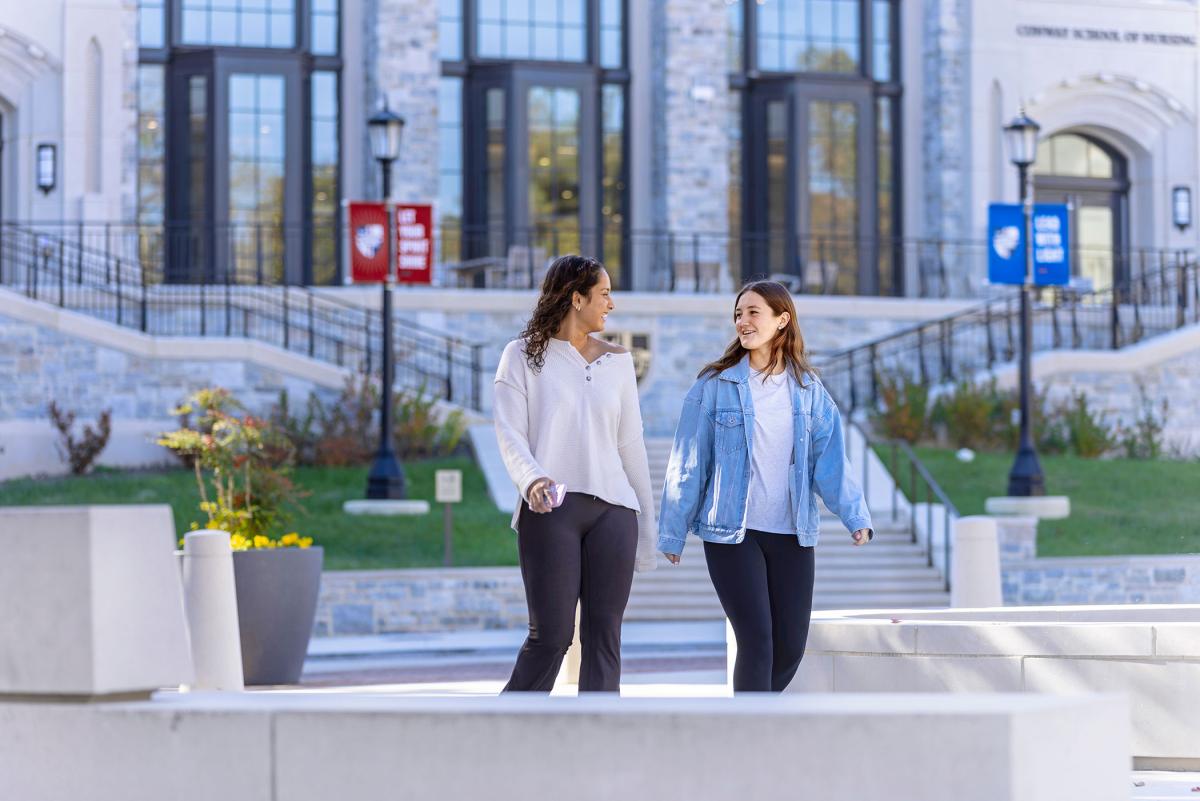
Students walking outside Conway near fountain.

Explore Our School

Discover more about the Conway School of Nursing, including our Mission & Philosophy, the Conway Building, student stories, and more.

Contact & Apply

Admission

Are you ready for your own journey here at Catholic University? Let’s get started.

Request Info | Apply

Visit the Conway School

Schedule a visit tailored for where you are in your academic process. We are excited to host you on campus soon! 

Visit Us

Get in Touch

Contact our Undergraduate Admission office at [email protected] or 202-319-5305, if you have additional questions and need more information about the program.